


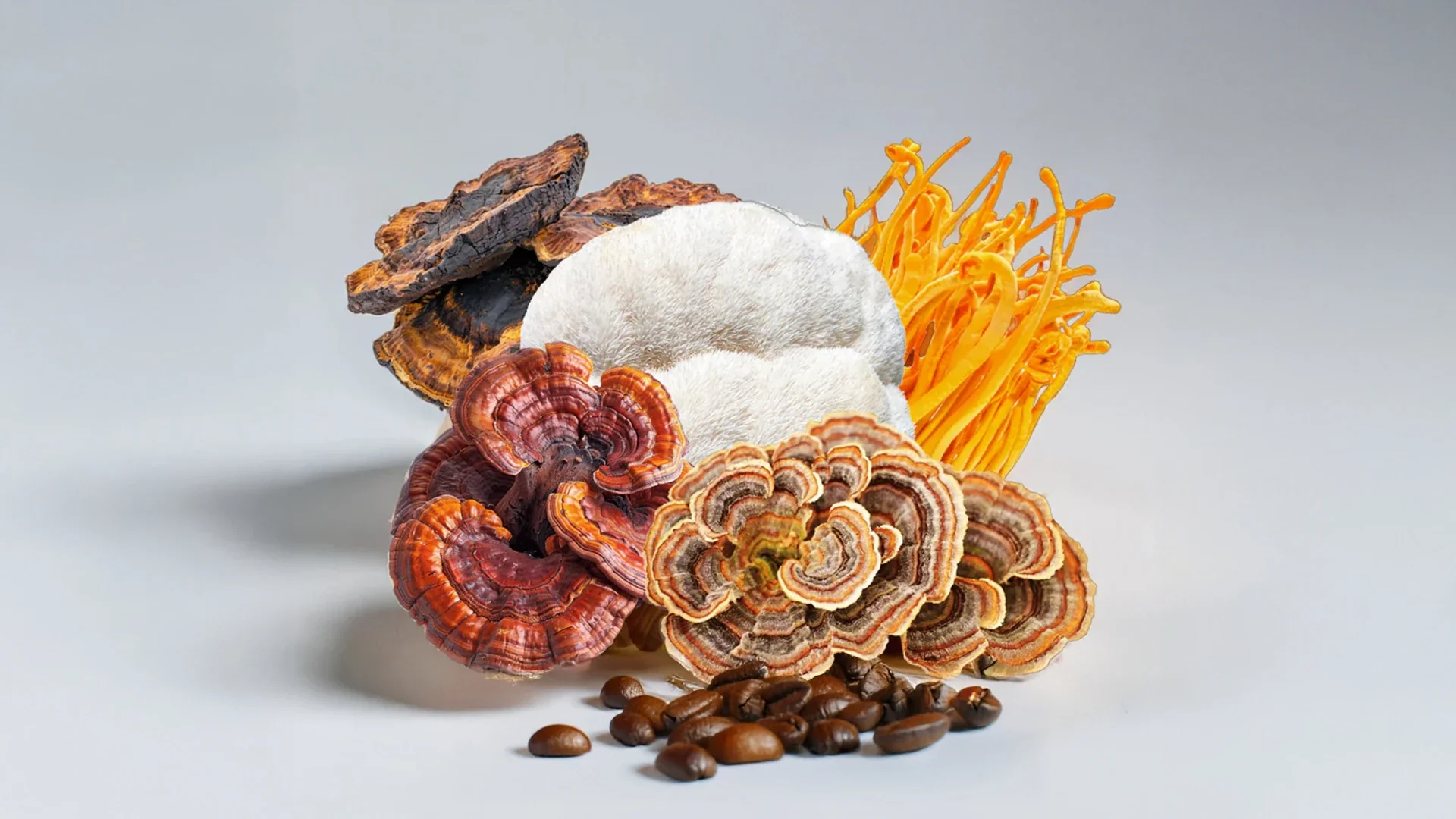
Medicinal mushrooms – ancient knowledge in modern times
In recent years, functional mushrooms have become increasingly popular in Europe as well. Although they have been used in traditional Asian diets for centuries, interest in them is increasing today due to bioactive compounds, which they contain, and their diversity.
Among the most well-known species are:
- Hericium erinaceus (Hericium erinaceus)
- Ganoderma (Ganoderma lucidum)
- Chaga (Inonotus obliquus)
- Cordyceps (Cordyceps sinensis CS-4)
These mushrooms contain naturally occurring polysaccharides, especially beta-glucans, and various secondary metabolites that are the subject of laboratory research and interest of experts.
What are beta-glucans?
Beta-glucans are complex sugars found in the cell walls of fungi. They are one of the most researched groups of compounds in medicinal mushrooms because they are naturally present in large quantities.
It is important to know:
- The content of beta-glucans varies depending on the type of mushroom and the processing method.
- In standardized extracts, the amount of polysaccharides is determined in the laboratory, which allows for greater transparency

Fringed mustache
The fringed bearded dragon is one of the most interesting species. It contains hericenones and erinacines, which are the subject of laboratory research.
– Traditionally known for its long-standing use in Asia
– Modern extracts allow for standardized content of bioactive compounds
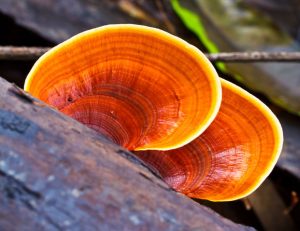
Ganoderma
Ganoderma, or luminous fungus, is one of the most studied species. It contains:
– triterpenes
-polysaccharides
– sterols
Scientific studies mainly analyze its chemical composition and biochemical properties.
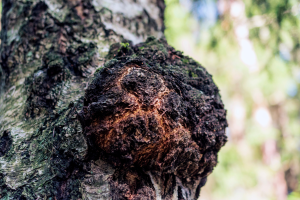
Chaga
Chaga is a fungus that grows mainly on birch trees. It contains various polyphenols and antioxidant compounds, which are the subject of laboratory research.
– Laboratory analyses show the presence of bioactive compounds
– This does not mean a direct health effect, but indicates biochemical activity
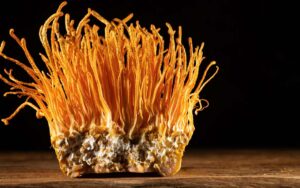
Cordyceps
Cordyceps contains cordycepin, a molecule that is interesting due to its structure and laboratory research.
– It is mainly studied in experimental models
– More detailed effects in humans are still being researched
Powder or extract?
When it comes to medicinal mushroom products, we most often encounter two forms:
Fruiting body powder: ground the entire fruiting body of the mushroom.
Extract: concentration of certain compounds (mainly beta-glucans), which allows for laboratory-determined content and greater standardization.
What to look for when choosing a product
When purchasing dietary supplements made from medicinal mushrooms, it is recommended to check:
- origin of raw material
- is it a powder or an extract
- Is the beta-glucan content stated?
- Are there any laboratory tests available?
- manufacturer transparency
This information allows you to make an informed choice.
Legislation and safety
In Slovenia and the EU, medicinal mushrooms are dietary supplement. This means that:
- are not intended to treat or prevent disease
- do not replace a balanced diet
- are used as a supplement to the normal diet
For individuals with specific medical conditions, consultation with a specialist is recommended.
Conclusion
Functional mushrooms such as fringed beard, ganoderma, chaga and cordyceps, contain naturally occurring bioactive compounds. Among them are beta-glucans and secondary metabolites, which are the subject of modern laboratory research.
When choosing dietary supplements, it is crucial to choose the product thoughtfully, taking into account the standardization and transparency of the manufacturer, which allows for a safe and informed purchase.
Text: Samo Natek
Source:
1. Brown GD, Gordon S. Immune recognition of fungal beta-glucans. Nat Rev Immunol. 2003;3:33–42.
2. Chan GC, et al. The effects of beta-glucan on human immune and cancer cells. J Hematol Oncol. 2009;2:25.
3. Mori K, et al. Improving effects of Hericium erinaceus on mild cognitive impairment. Phytother Res. 2009;23:367–372.
4. Boh B, et al. Ganoderma lucidum: A potential for biotechnological production. Biotechnol Annu Rev. 2007;13:273–300.
5. Tuli HS, et al. Cordycepin: a bioactive metabolite. Evid Based Complement Alternative Med. 2013;2013:1–11.
6. Zheng W, et al. Antioxidant activity of Inonotus obliquus. Food Chem. 2010;122:1070–1077.


